GCP Global Infrastructure
Please visit URL for the latest: https://cloud.google.com/about/locations
Hey there, cloud enthusiasts! Ever wondered how Google Cloud Platform (GCP) delivers lightning-fast services worldwide? Let’s embark on an exciting journey to explore GCP’s global infrastructure, focusing on Regions and Zones. Ready to dive in? Let’s go!
Please visit URL for the latest: https://cloud.google.com/about/locations
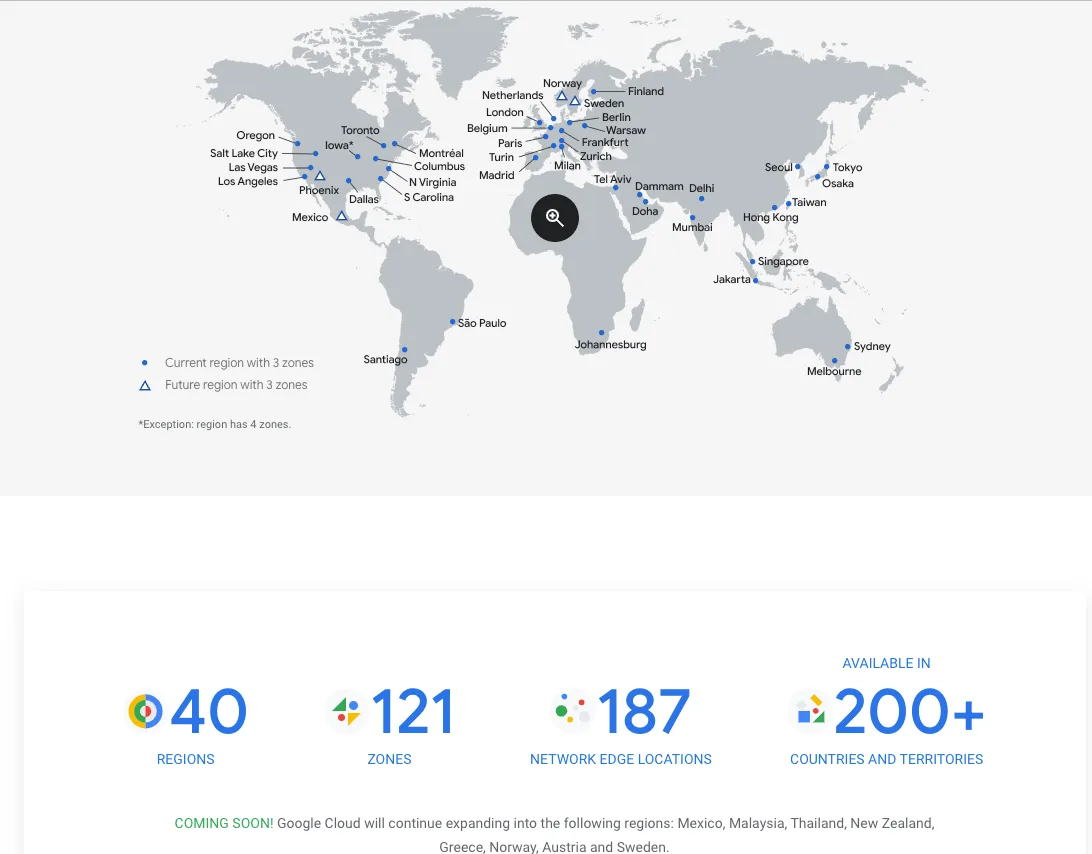
Global Map of GCP Regions and Zones (as of Oct 2024)
Understanding the Basics: Regions and Zones
At the core of GCP’s robust infrastructure are Regions and Zones. Grasping these concepts is essential for anyone looking to harness the full potential of the cloud. Let’s break it down:
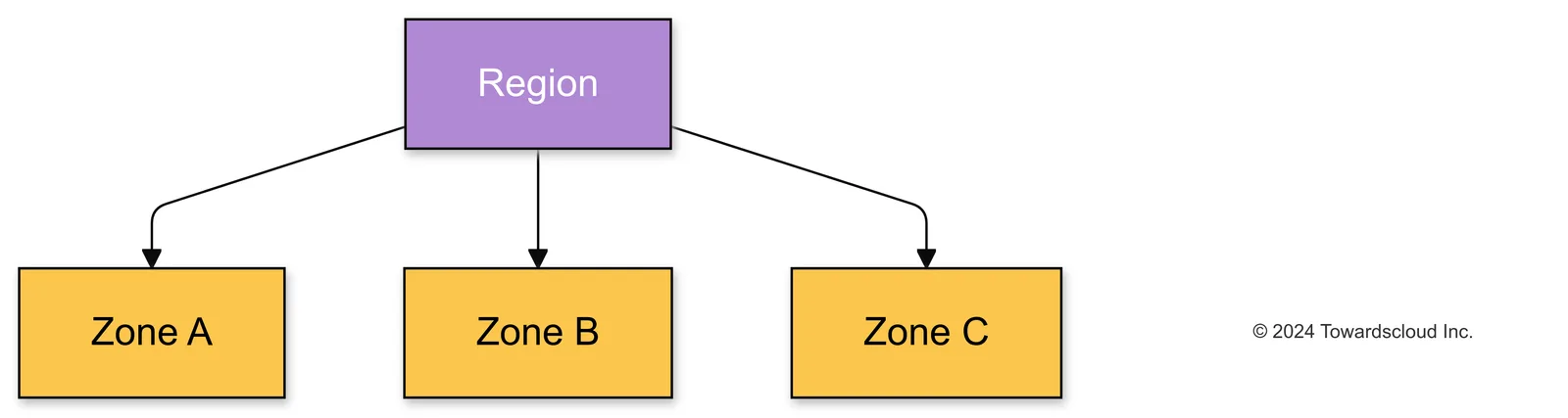
- Regions: These are specific geographic locations where GCP resources are hosted. Think of them as major cities in the cloud universe.
- Zones: These are deployment areas within Regions, akin to neighborhoods within a city. Each Region typically contains three or more Zones.
This hierarchical structure ensures high availability and resilience. If one Zone faces an issue, your services can continue running in another. Neat, right?
Regions and Zones | Google Cloud
Why Regions and Zones Matter
Understanding Regions and Zones isn’t just for techies—it’s crucial for optimizing performance, ensuring compliance, and enhancing user experience.
1. High Availability and Fault Tolerance
Deploying applications across multiple Zones or Regions minimizes downtime.
- Multi-Zone Deployment: Protects against Zone-specific failures.
- Multi-Region Deployment: Safeguards against regional outages.
Disaster Recovery Planning Guide | Google Cloud
2. Latency Reduction
Hosting your services closer to your users means faster response times.
- Proximity Matters: Choose Regions near your user base for optimal performance.
Network Latency Guidelines | Google Cloud
3. Regulatory Compliance
Some data must reside within specific geographic boundaries due to legal requirements.
- Data Residency: Select Regions that comply with local laws and regulations.
Data Residency Compliance | Google Cloud
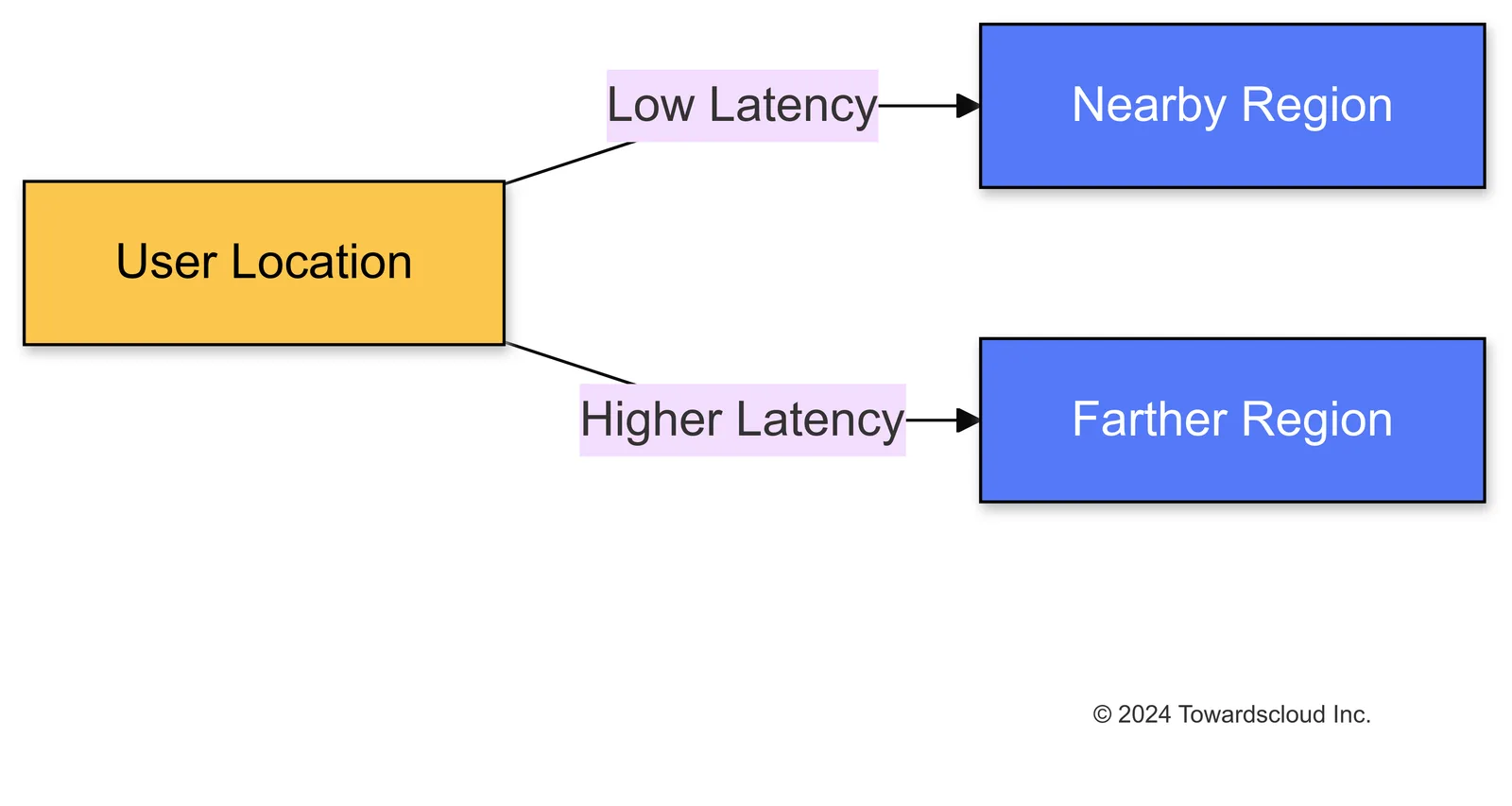
User Proximity and Latency
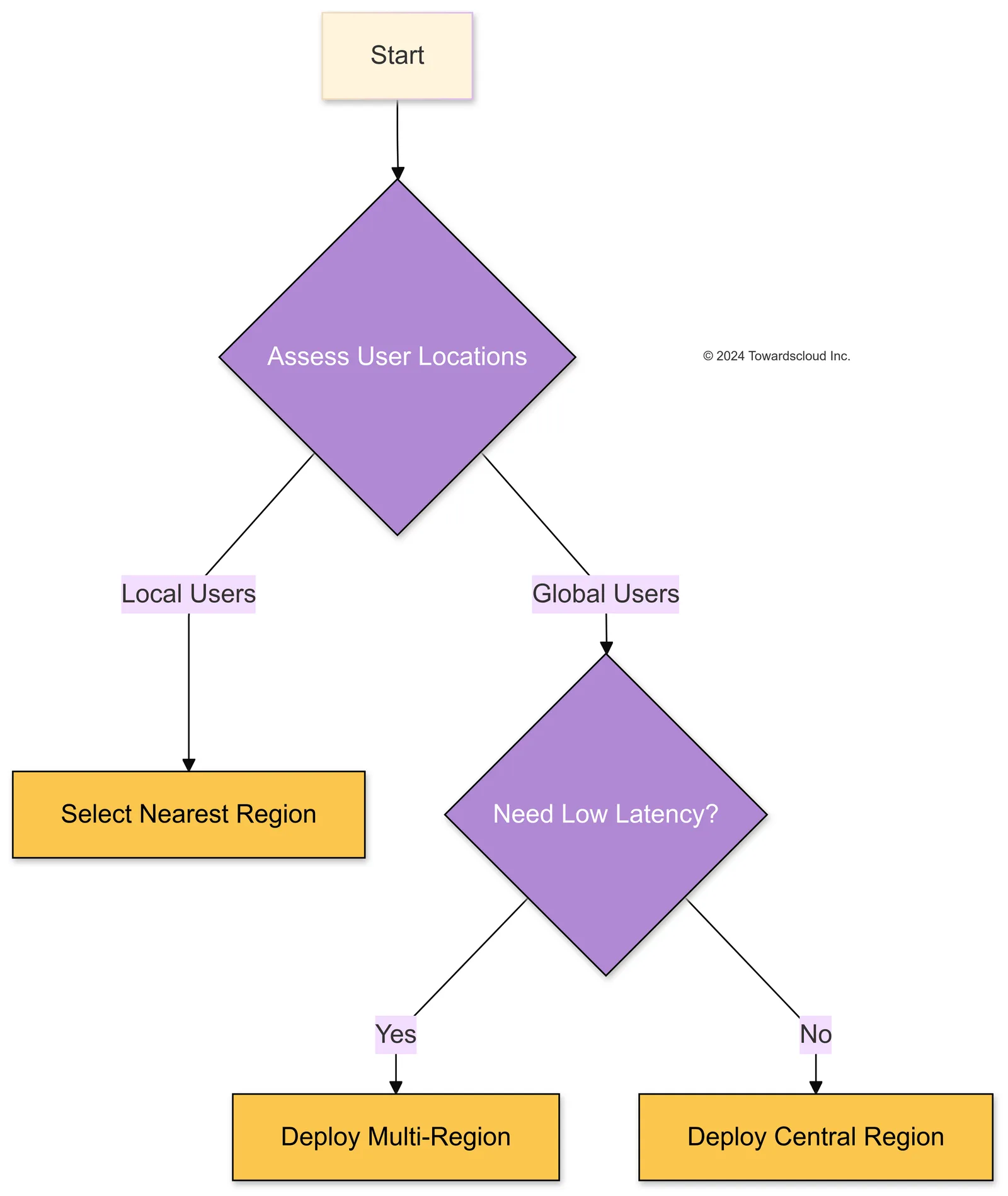
Decision Flowchart for Region Selection
GCP’s Global Network Backbone
GCP’s infrastructure is not just about data centers; it’s about how they’re interconnected.
- Private Global Fiber Network: One of the largest in the world, ensuring speedy data transfer.
- Subsea Cables: Undersea cables connect continents, enhancing global connectivity.
- Edge Points of Presence (PoPs): Bring content closer to users, reducing latency.
Google’s Network Infrastructure | Google Cloud
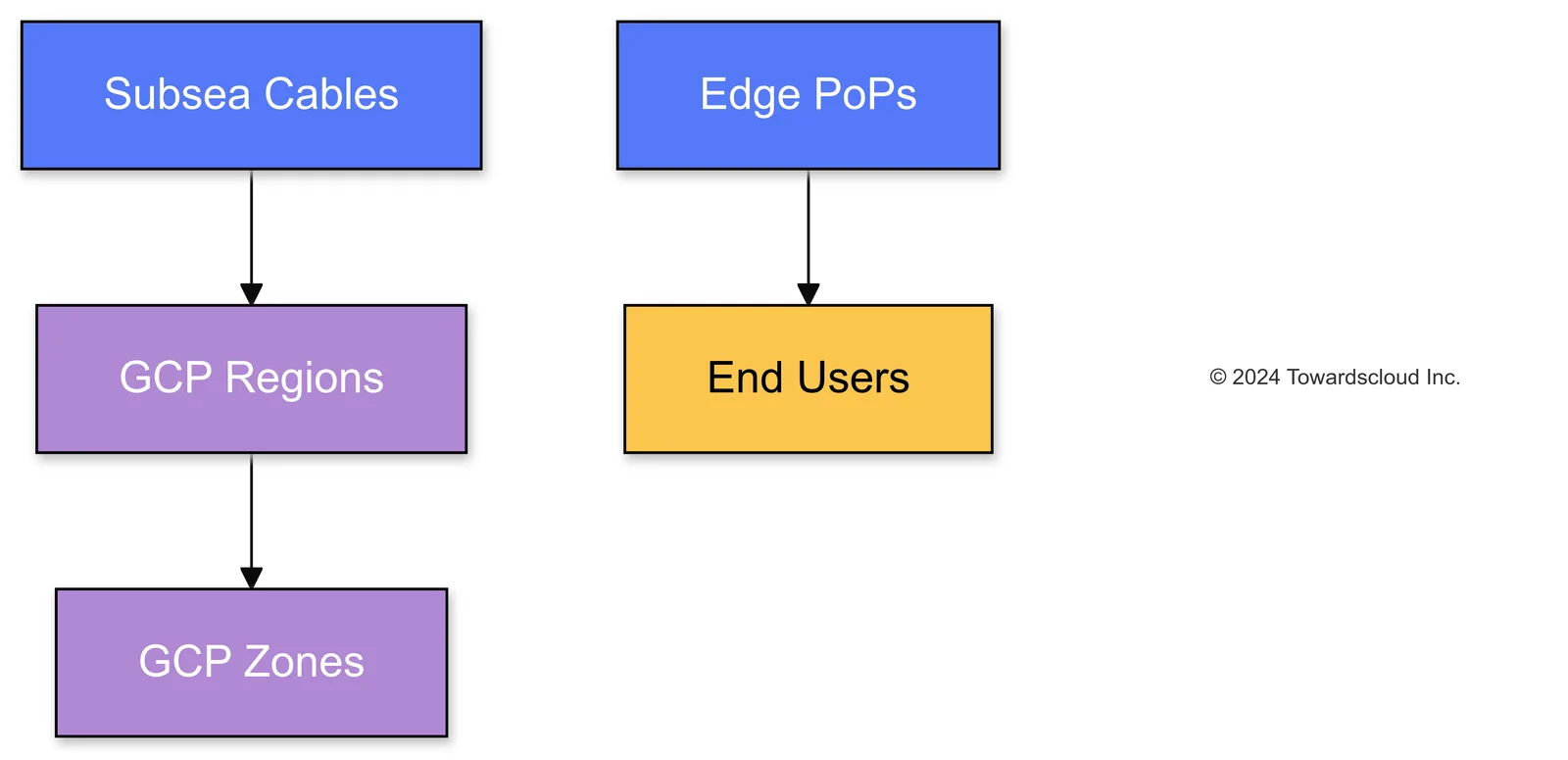
Choosing the Right Region and Zone
Selecting where to deploy your resources can significantly impact your application’s performance and compliance.
1. Assess User Location
- Where are your users? Choose Regions closest to them.
2. Check Service Availability
- Not all services are available in every Region.
- Service Availability Matrix for details.
3. Consider Costs
- Pricing may vary by Region.
- Data Egress Charges: Moving data out of a Region can incur costs.
- Google Cloud Pricing
4. Compliance Requirements
- Ensure the Region complies with any data sovereignty laws relevant to your industry.
Best Practices for Deployment
To maximize the benefits of GCP’s global infrastructure, consider these strategies:
1. Use Managed Instance Groups
- Automatically distribute workloads across Zones.
- Enable auto-scaling to handle traffic spikes.
Managed Instance Groups | Google Cloud
2. Implement Load Balancing
- Global Load Balancers: Distribute traffic across multiple Regions.
- Regional Load Balancers: Manage traffic within a Region.
- Cloud Load Balancing | Google Cloud
3. Leverage Cloud CDN
- Cache content at Edge PoPs to reduce latency.
Cloud CDN Overview | Google Cloud
4. Monitor and Optimize
- Use Cloud Monitoring and Cloud Logging for insights.
- Regularly assess and adjust your deployment.
Operations Suite (formerly Stackdriver) | Google Cloud
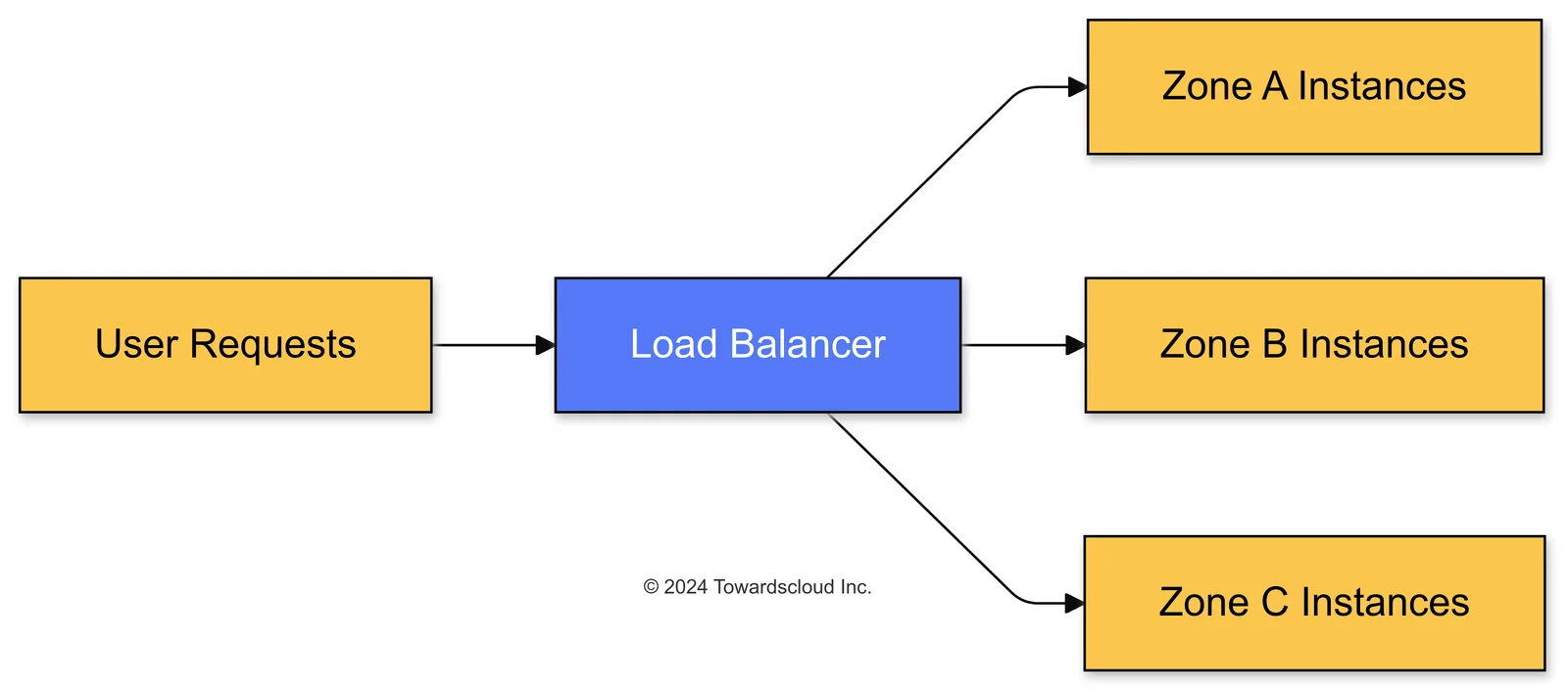
Multi Zone Deployment
Real-World Applications
Let’s see how different industries benefit from GCP’s Regions and Zones.
E-commerce Platforms
- Challenge: High traffic during sales events.
- Solution: Use auto-scaling and multi-zone deployments for resilience.
E-commerce Solutions | Google Cloud
Streaming Services
- Challenge: Deliver content seamlessly worldwide.
- Solution: Deploy across multiple Regions and use Cloud CDN.
Media and Entertainment Solutions | Google Cloud
Financial Institutions
- Challenge: Strict compliance and low latency.
- Solution: Select specific Regions to meet regulatory requirements.
Financial Services Solutions | Google Cloud
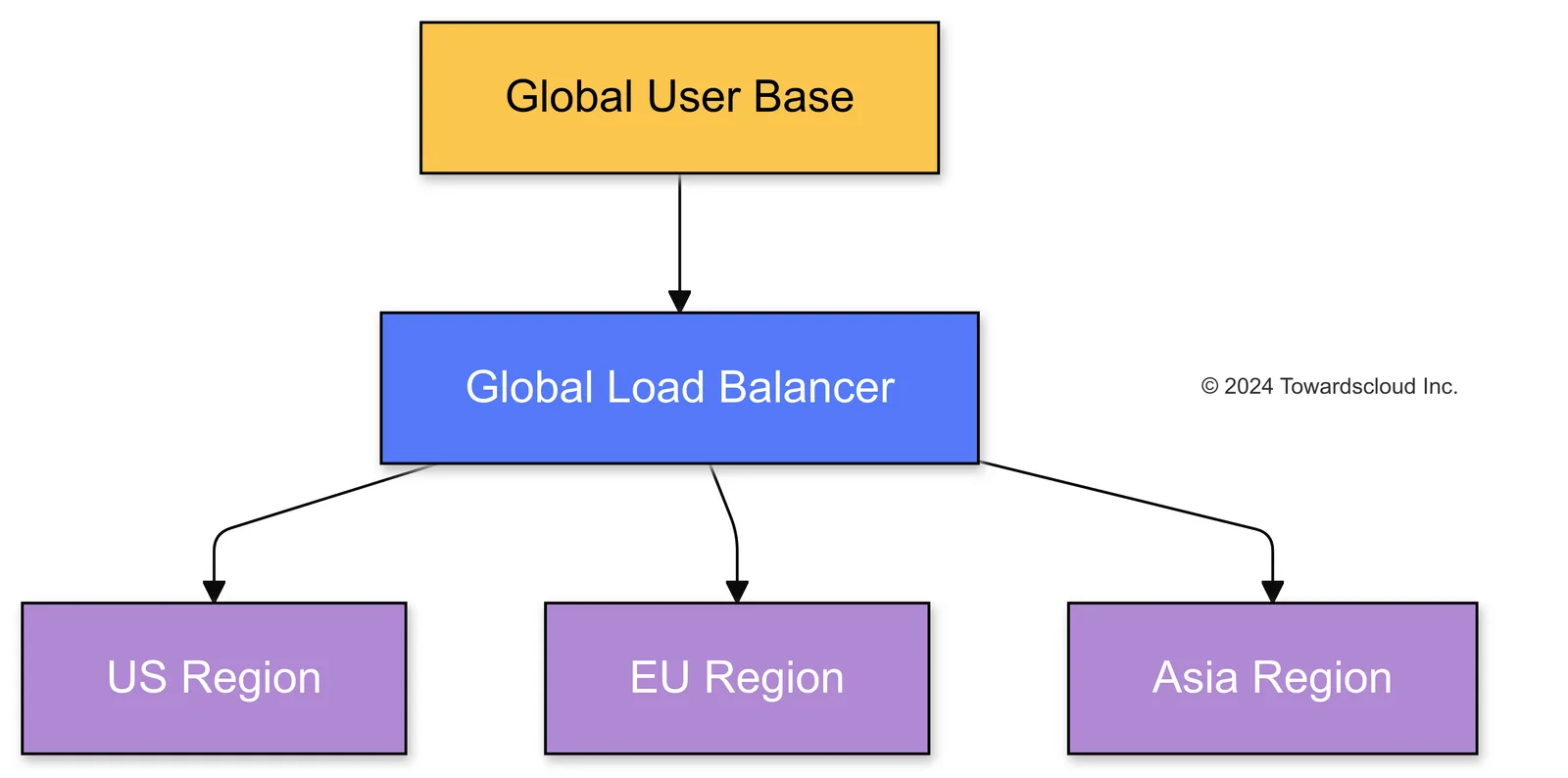
Multi-Region Deployment for Global Users
The Future is Here: Emerging Trends
Stay ahead by embracing the latest in cloud infrastructure.
Edge Computing
- Process data closer to where it’s generated.
- Reduces latency and bandwidth usage.
Hybrid and Multi-Cloud Strategies
- Combine on-premises and cloud resources.
- Use multiple cloud providers for flexibility.
Anthos Multi-Cloud Platform | Google Cloud
Sustainability Initiatives
- GCP is committed to carbon-neutral operations.
- Deploying in certain Regions can reduce your carbon footprint.
Sustainability at Google Cloud
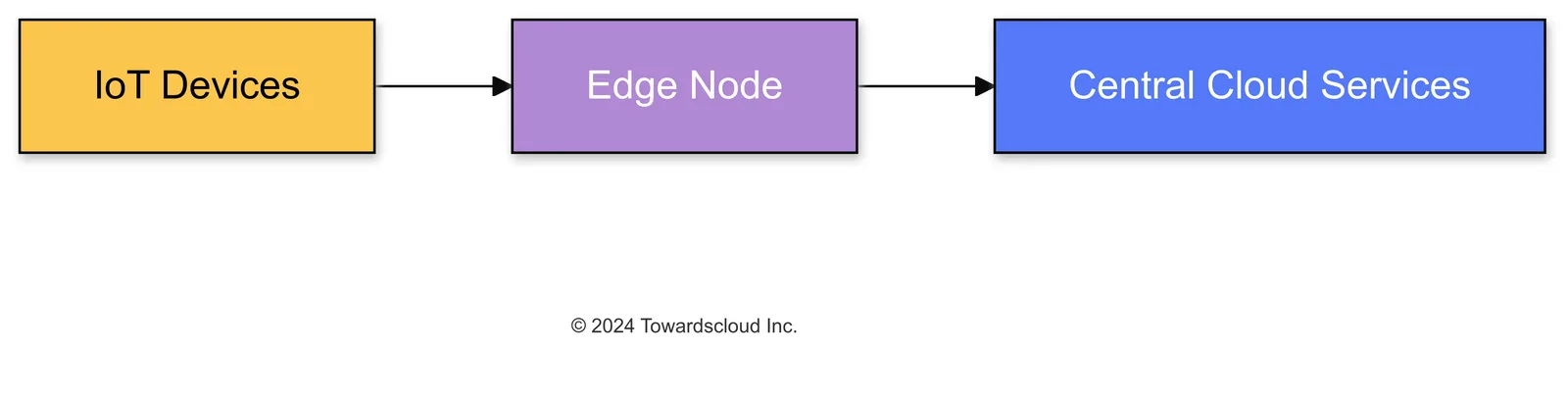
Edge Computing Integration
Tips for Getting Started
Ready to leverage GCP’s global infrastructure? Here’s how to begin:
- Identify Your Needs: Understand your application’s requirements.
- Plan Your Architecture: Use best practices for scalability and resilience.
- Test Deployments: Use GCP’s tools to simulate traffic and monitor performance.
- Stay Informed: Keep up with GCP updates and new Regions.
Getting Started with Google Cloud
Wrapping Up
By understanding and utilizing GCP’s Regions and Zones, you can:
- Enhance Performance: Deliver fast and reliable services to your users.
- Ensure Compliance: Meet legal requirements effortlessly.
- Optimize Costs: Pay for only what you need, where you need it.
So, are you ready to elevate your cloud game? Start exploring GCP’s global infrastructure today and take your applications to new heights!
Happy Cloud Adventures!
Part 3 of 7 · Exploring Google Cloud Platform (GCP)